Thinking about a move to Franklin Park? If you are relocating from another part of Pittsburgh or coming in from out of town, this borough can feel a little different from places with a more obvious main street or town center. The good news is that once you understand how Franklin Park is laid out, how its roads connect, and what daily life looks like, your search becomes much easier. Let’s dive in.
Where Franklin Park Fits
Franklin Park is a borough in Allegheny County’s North Hills, northwest of Pittsburgh, and it covers about 13.5 square miles. The borough highlights its quick interstate access as a major advantage, with regional retail centers, universities, hospitals, cultural venues, and recreation all within reach.
That broader setting matters when you are relocating. Franklin Park is not trying to be a dense, walk-everywhere town center. Instead, it tends to appeal to buyers who want a residential-first setting with suburban space and practical access to the wider North Hills and Pittsburgh region.
How You Get Around Franklin Park
One of the first things to understand is the road network. In day-to-day life, practical access runs through Route 910/Wexford Bayne, I-79, I-279 via the Wexford exit, Nicholson Road, Rochester Road, and Pine Creek Road, along with other state and county roads.
If you are planning a scouting trip, pay close attention to the Route 910/I-79 corridor. The borough notes current PennDOT work at the Route 910/Wexford interchange, which can affect lane patterns and make timing more important than you might expect.
A smart relocation strategy is to drive the area more than once. Try one visit during the day to get your bearings, then another during commute hours so you can see how your likely routes actually feel in real conditions.
Why the Road Details Matter
For new residents, Franklin Park’s road setup is especially useful to learn early. The borough separates responsibility by borough, state, and county roads, which helps you understand who maintains what and why road conditions or service responses may vary by street.
Within Franklin Park, state-maintained roads include Nicholson, Pine Creek, Rochester, Reis Run, and Wexford Bayne. Brandt School Road and West Ingomar are county roads. Public works maintains about 64 miles of borough roads.
That may sound technical, but it becomes very practical in winter. The borough’s snow guidance prioritizes arterial roads first, then school bus routes, then neighborhood roads and cul-de-sacs.
What the Housing Pattern Feels Like
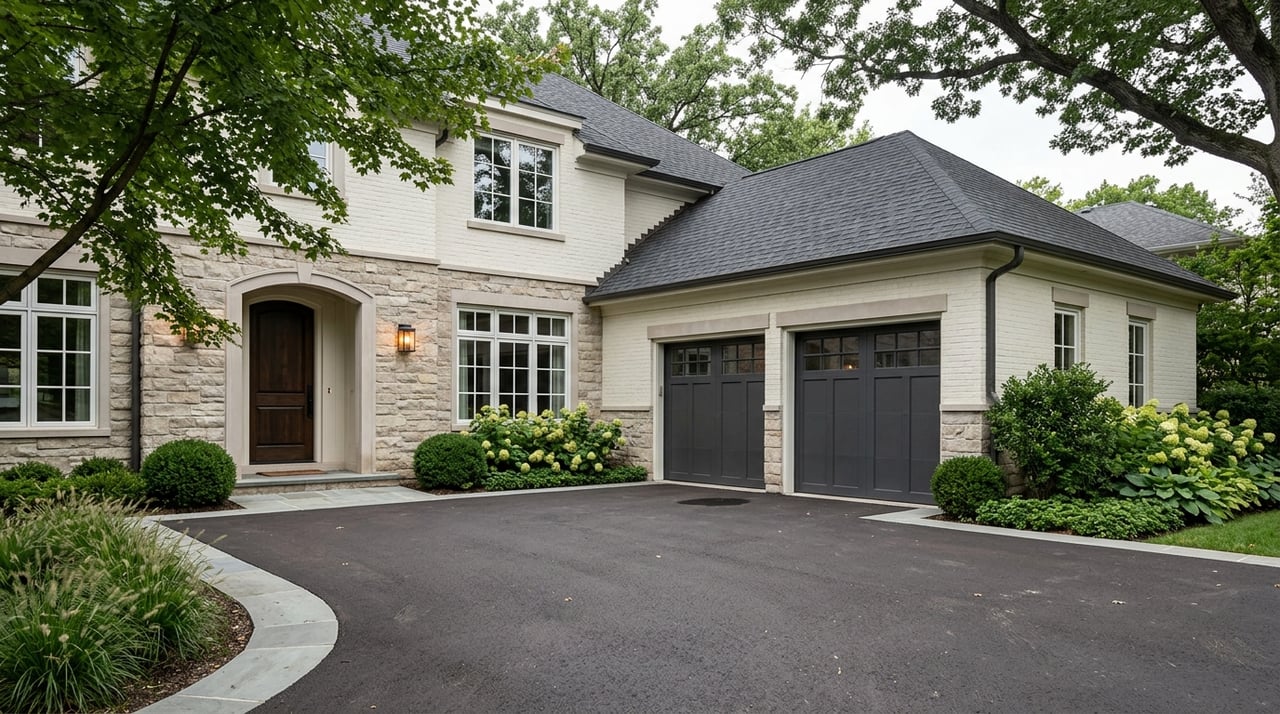
Franklin Park’s housing pattern is one of the clearest parts of its identity. The borough’s zoning has been in place since 1952, and its land-use map is strongly oriented around single-family residential districts.
R-1 and R-2 are described as low-intensity single-family zones. R-3 and R-4 allow multifamily housing in places with access to commercial uses and major transportation routes, while M-2 is tied to land near an interstate interchange for higher-intensity residential and commercial or light-industrial uses.
For a relocating buyer, the bigger takeaway is simple: Franklin Park generally reads as a larger-lot suburb. Zoning amendment materials show minimum lot sizes of 40,000 square feet in R-1, 20,000 in R-2, and 10,000 in R-3, which helps explain why the borough often feels more spacious than compact.
What the Numbers Suggest
Recent housing data supports that larger-lot, residential-first feel. The borough’s 2021 planning appendix lists 5,257 housing units, with 92% owner-occupied, 7% renter-occupied, and 1% vacant.
Census QuickFacts reports a 91.5% owner-occupied rate, a median owner-occupied home value of $485,600, a median gross rent of $2,330, and a mean commute time of 25.2 minutes. If you are comparing Franklin Park with nearby areas, these numbers help frame what to expect in terms of ownership patterns, price point, and commute rhythm.
What Daily Life Looks Like
A lot of relocators want to know one thing first: what does everyday living actually feel like here? In Franklin Park, daily life tends to unfold across a series of neighborhood-scale destinations rather than around a single concentrated downtown core.
That means your routine may center on a few key places you drive between regularly, such as parks, the library, shopping spots, and your preferred commuter route. Once you understand that pattern, the borough starts to make sense very quickly.
Parks and Recreation in Franklin Park
Franklin Park’s recreation system is one of its standout amenities. The borough says it maintains five park sites totaling 224 acres, which gives residents meaningful access to outdoor space within the community.
Blueberry Hill Park is an 87-acre community park located off Nicholson Road in the heart of the borough. Linbrook Park offers 80 acres and a more natural setting off Big Sewickley Creek Road. Old Orchard Park is a 16-acre neighborhood park off Rochester Road and includes a 1-mile walking trail.
If parks are part of your routine, these locations are worth seeing in person during a relocation visit. They help you understand not just recreation options, but also how different parts of Franklin Park feel from one another.
Library and Everyday Services
Northland Public Library is another important local amenity shared by Franklin Park, Bradford Woods, Marshall Township, McCandless, and Ross Township. The borough notes that the library serves nearly 40,000 cardholders and offers more than 200,000 items, along with adult, youth, and summer programming.
For many buyers, a library tells you something about day-to-day convenience and community habits. It is also a useful stop on a scouting tour because it places you within the broader North Hills service network, not just within borough boundaries.
On the errands side, the borough points to the Franklin Village shopping plaza near Route 910 and Brandt School Road as a practical reference point. The borough also notes that Franklin Park is within easy reach of the region’s retail centers.
A Smart Way to Scout Franklin Park
If you are relocating from outside the area, structure matters. One of the easiest ways to get oriented is to follow a simple visit loop that shows you how the borough functions in real life.
A practical route includes the municipal building on West Ingomar, Northland Public Library, Blueberry Hill Park, Franklin Village shopping plaza, Old Orchard Park, and Linbrook Park. This sequence gives you a grounded look at roads, public amenities, errands, and neighborhood patterns.
It also reinforces an important point: Franklin Park is spread across several useful nodes, not one central district. If you come in expecting a classic downtown, you may misread the area at first.
How Franklin Park Compares Nearby
If you are weighing several North Hills communities, Franklin Park stands out for its residential character and lot-oriented feel. Based on municipal descriptions in nearby areas, places like McCandless and Ross Township present more extensive park systems, larger road networks, or broader public-space footprints.
By comparison, Franklin Park may be a better fit if your priorities lean toward suburban space and highway access rather than a denser commercial corridor. That does not make it better or worse, just different, and understanding that difference can save you time in your home search.
Who Franklin Park Often Fits Best
From a practical relocation standpoint, Franklin Park can make sense if you want:
- A residential-first North Hills setting
- Larger-lot suburban character
- Strong access to I-79, I-279, and Route 910
- Local parks that support day-to-day outdoor use
- A community pattern built around neighborhood nodes instead of a compact downtown
If you want a very walkable core with concentrated shopping and activity in one central district, you may want to compare Franklin Park carefully with other nearby options. If your focus is space, access, and a quieter suburban layout, Franklin Park may move up your list quickly.
What to Keep in Mind Before You Move
Before you make a decision, try to match the borough’s layout to your own routines. Think about where you work, when you commute, how often you use parks or library services, and whether you prefer a spread-out suburban pattern or a more centralized one.
It also helps to look at homes with the borough’s housing character in mind. Because Franklin Park is strongly shaped by single-family zoning and larger lot patterns, your options may feel different from what you would find in more compact North Hills communities.
Relocation is easier when you combine facts with firsthand experience. A well-planned visit, a realistic look at your routes, and clear local guidance can help you decide not just whether Franklin Park is a good place to live, but whether it is the right fit for your next move.
If you are planning a move to Franklin Park or comparing North Hills communities, Eddie McDonough can help you make sense of the options with a clear, organized approach.
FAQs
What is Franklin Park like for daily living?
- Franklin Park tends to function as a residential-first suburb where daily life happens across parks, library services, shopping nodes, and commuter routes rather than around one central downtown.
What roads matter most in Franklin Park?
- Key access roads include Route 910/Wexford Bayne, I-79, I-279 via the Wexford exit, Nicholson Road, Rochester Road, and Pine Creek Road.
What should you know about Franklin Park housing?
- Franklin Park is strongly oriented around single-family residential zoning, and its lot-size requirements help explain why the borough often feels more spacious and suburban than compact.
What parks should you visit in Franklin Park?
- Blueberry Hill Park, Linbrook Park, and Old Orchard Park are practical stops because they show different parts of the borough’s recreation system and everyday layout.
What should you do on a Franklin Park scouting trip?
- Plan at least one daytime drive and one commute-time drive, especially along the Route 910/I-79 corridor, and visit key stops like the municipal building, Northland Public Library, local parks, and Franklin Village shopping plaza.