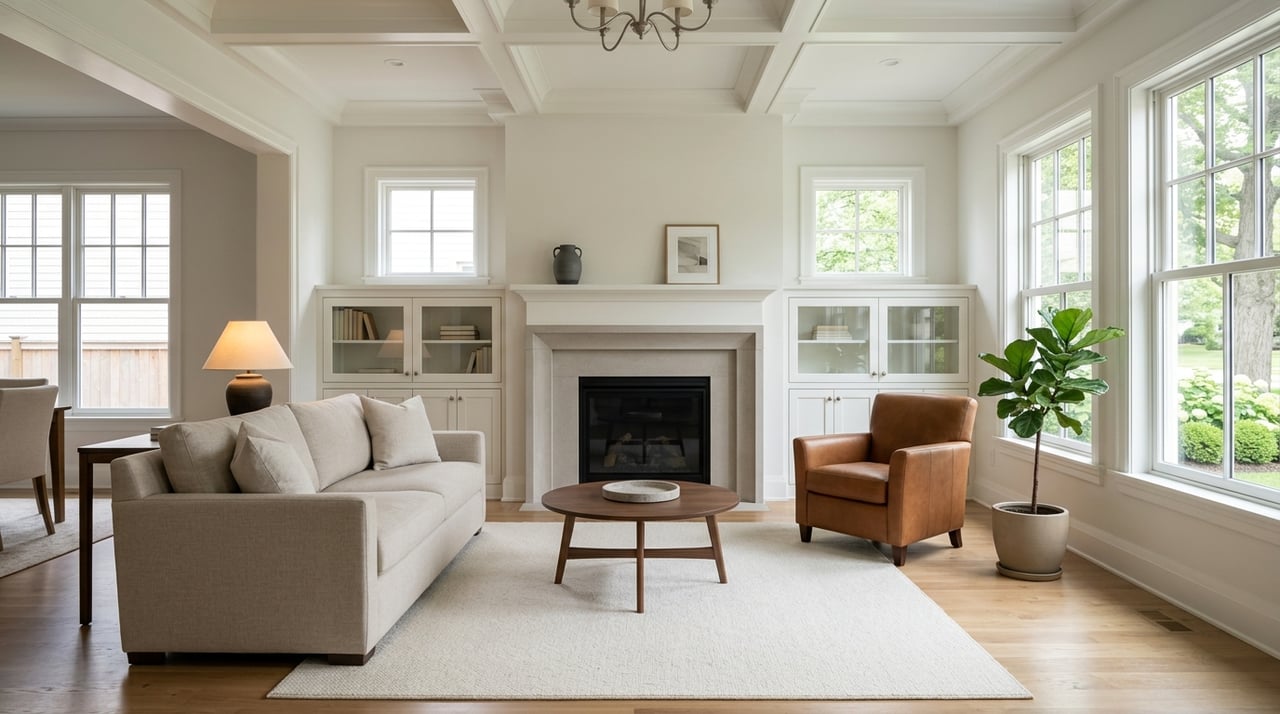
If you are thinking about selling in Ross Township, here is the good news: buyer demand is still solid. But that does not mean you can skip the prep work. Today’s buyers are comparing homes carefully, noticing condition fast, and forming opinions online before they ever step through the front door. A smart plan can help you stand out, reduce distractions, and make your home easier to say yes to. Let’s dive in.
Why preparation still matters in Ross Township
Ross Township is currently described as a seller’s market, with Realtor.com reporting a March 2026 median listing price of $256,000 and median days on market of 28. Homes are selling around asking price on average, which is encouraging if you are planning to list.
At the same time, broader Allegheny County data shows buyers are still price-conscious and selective. Redfin reports a countywide median sale price of $260K and 69 median days on market, while Zillow shows a median sale-to-list ratio of 0.977 and 62.5% of sales under list. In plain terms, demand may be there, but presentation and pricing still matter.
That is especially true in Ross Township, where the housing stock tends to be older. The township reports that 68% of homes are single-family detached and 63.1% were built before 1970. Older homes often offer character and established settings, but they can also raise more questions about upkeep, updates, and disclosures.
What today’s buyers notice first
Most buyers are not walking in with a blank slate. According to NAR’s 2025 Profile of Home Buyers and Sellers, 88% of buyers purchased through an agent or broker, and 79% of buyers were repeat buyers. That means many people touring your home have seen enough properties to compare layout, condition, and presentation quickly.
Buyers also begin online. NAR’s 2024 home search data found that buyers spent a median of 10 weeks searching, typically viewed seven homes, and saw two online only. Photos were rated very useful by 41% of buyers, and 31% said floor plans were useful.
That makes your first impression a digital one. If your home feels bright, clean, and easy to understand in photos, you have a better chance of earning showings. If rooms look crowded, dark, or overly personal, buyers may scroll past before they ever schedule a visit.
Start with the highest-impact updates
You do not need to renovate everything before you sell. In most cases, the best approach is to focus on the updates that improve first impressions without overcomplicating your timeline.
A practical order is simple:
- Declutter
- Deep clean
- Make cosmetic fixes
- Improve curb appeal
- Stage key spaces
This sequence lines up with NAR’s 2025 staging research, which identified decluttering, whole-home cleaning, and curb appeal improvements as common seller recommendations. It is a strong reminder that basic preparation often does more than expensive projects.
Declutter before you do anything else
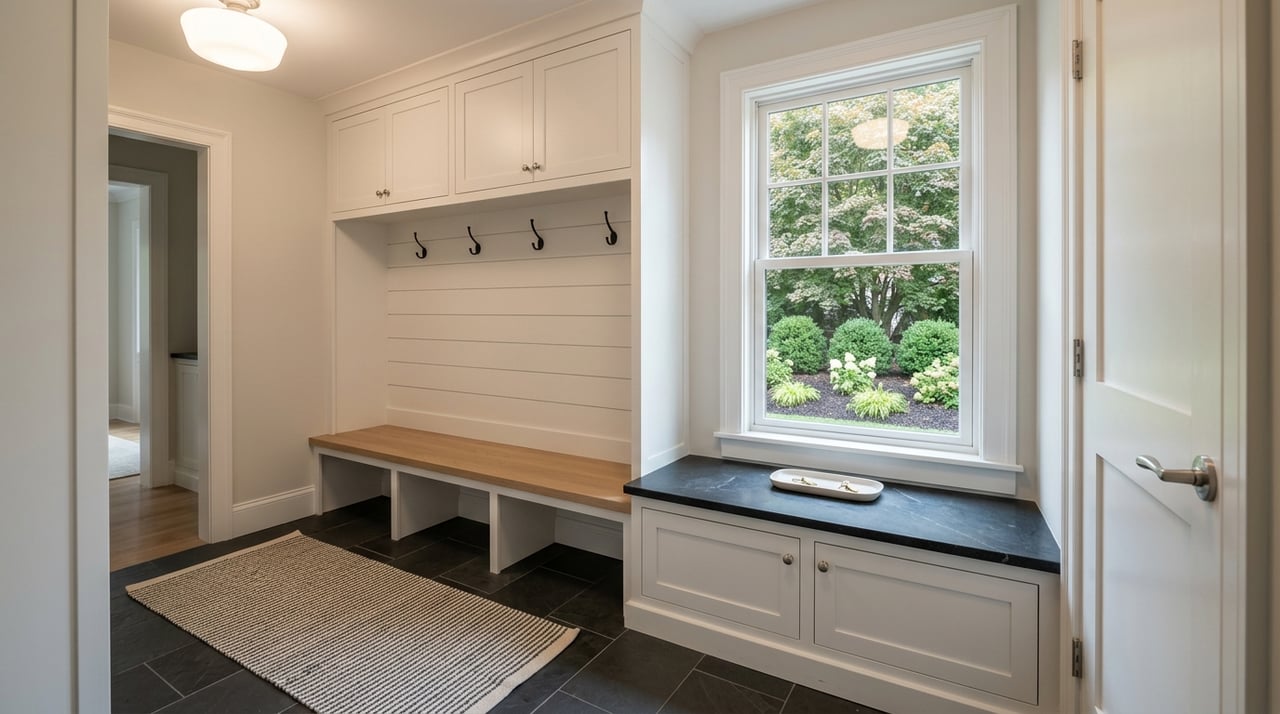
Decluttering gives every other improvement more impact. It makes rooms feel larger, helps buyers focus on the space itself, and creates cleaner listing photos.
Start by removing anything you do not use daily. That includes extra furniture, crowded shelves, bulky countertop items, seasonal decor, and personal collections. If you are planning a move anyway, this step helps you get ahead.
Deep clean every surface
A clean home signals care. Buyers may not notice every detail when a house is spotless, but they almost always notice when it is not.
Focus on kitchens, bathrooms, floors, trim, windows, light fixtures, and high-touch areas. Pay attention to odors too, since smell can shape a buyer’s impression within seconds.
Fix small cosmetic issues
In many Ross Township homes, small visible issues can make buyers wonder about larger hidden ones. Scuffed walls, outdated light bulbs, loose hardware, and worn caulk may seem minor, but together they can make a home feel less move-in ready.
Before listing, consider touching up paint, replacing burned-out bulbs, tightening handles, patching nail holes, and addressing obvious wear. These are not glamorous projects, but they can make your home feel better maintained.
Focus on the rooms buyers care about most
Not every room needs the same level of effort. NAR’s staging research found that the living room, primary bedroom, dining room, and kitchen are the spaces most often staged.
That matters because buyers tend to imagine daily life in these rooms first. If these areas feel welcoming, functional, and open, your entire home can leave a stronger impression.
Make the kitchen feel simple and spacious
Clear the counters as much as possible. Leave only a few intentional items, like a coffee maker or a bowl of fruit, if they help the room feel polished without looking busy.
If your cabinets, appliances, or finishes are older, cleanliness becomes even more important. A tidy, bright kitchen usually shows better than one filled with visual distractions.
Open up the living room
The goal is to show flow and function. Remove extra chairs, oversized pieces, or decor that makes the room feel tight.
Buyers want to understand how they would use the space. A clean furniture layout can help the room feel larger and easier to picture in everyday life.
Keep the primary bedroom calm
Bedrooms should feel restful, not crowded. Simplify bedding, clear off dressers and nightstands, and remove personal photos or excess decor.
A clean, neutral bedroom helps buyers focus on the room size, closet space, and natural light rather than your personal style.
Boost curb appeal for online and in-person showings
In a market where buyers often start with photos, the exterior matters more than many sellers expect. If the outside looks neglected, some buyers may never book a showing.
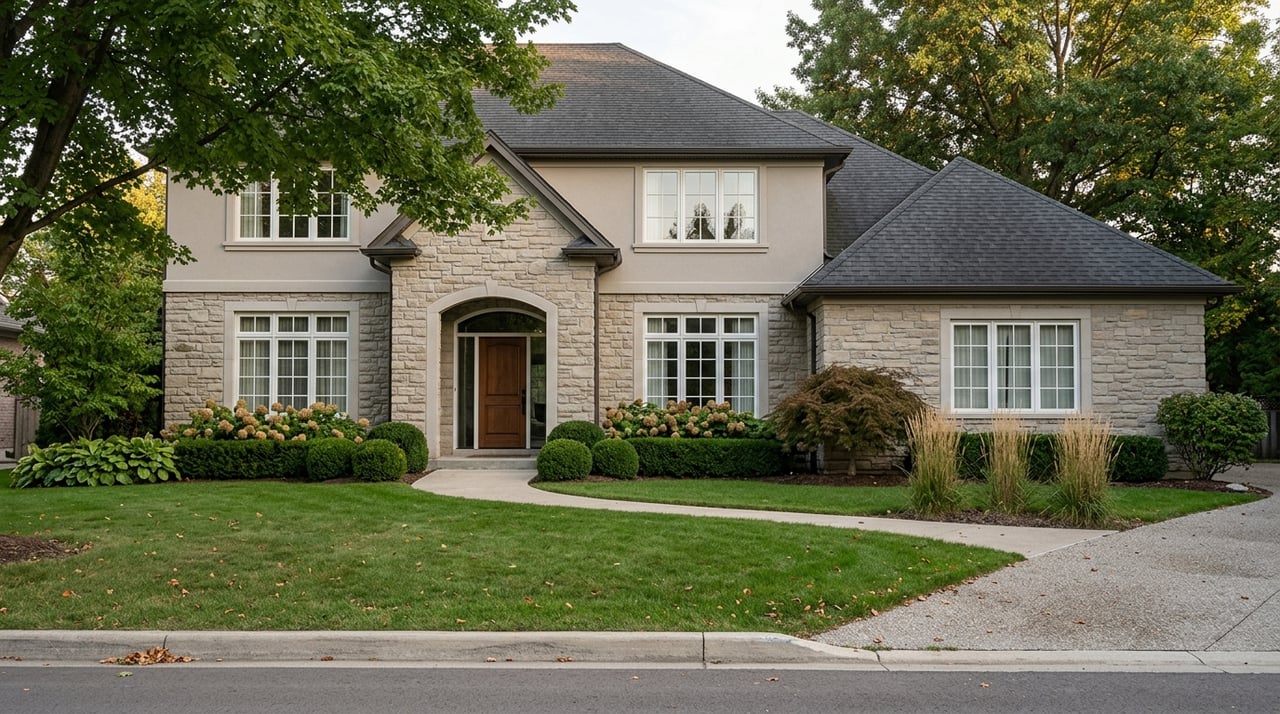
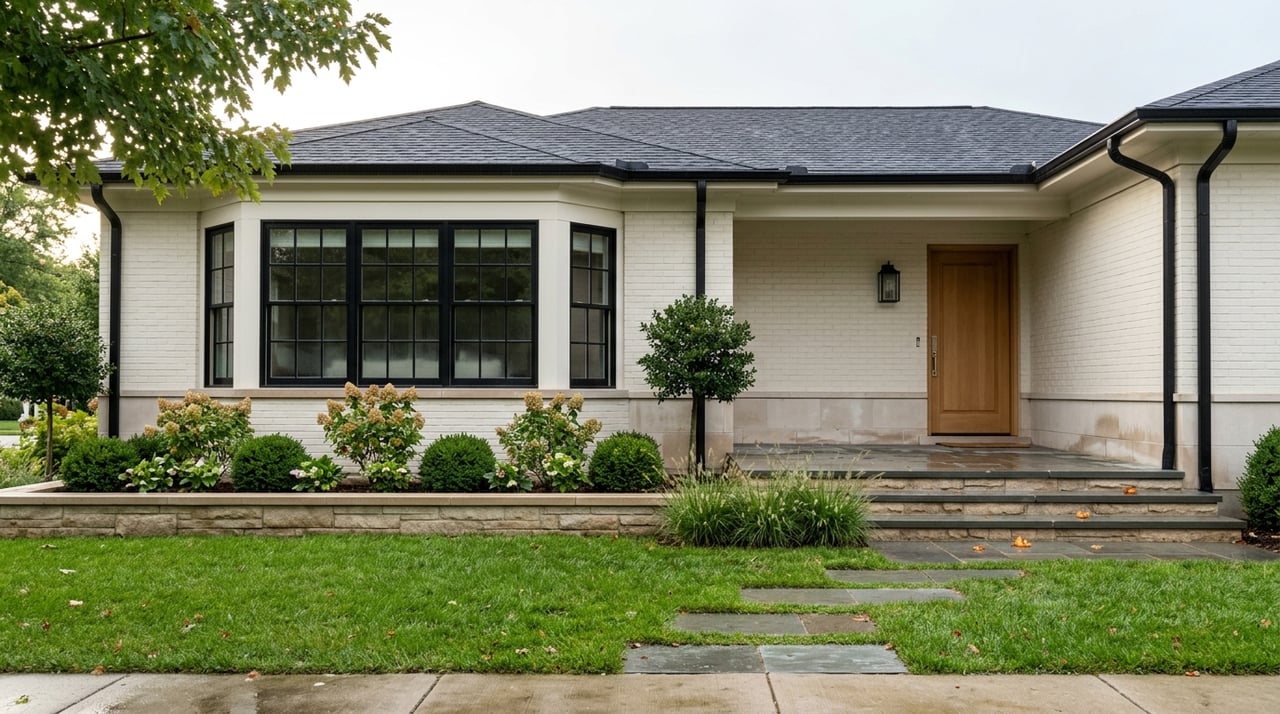
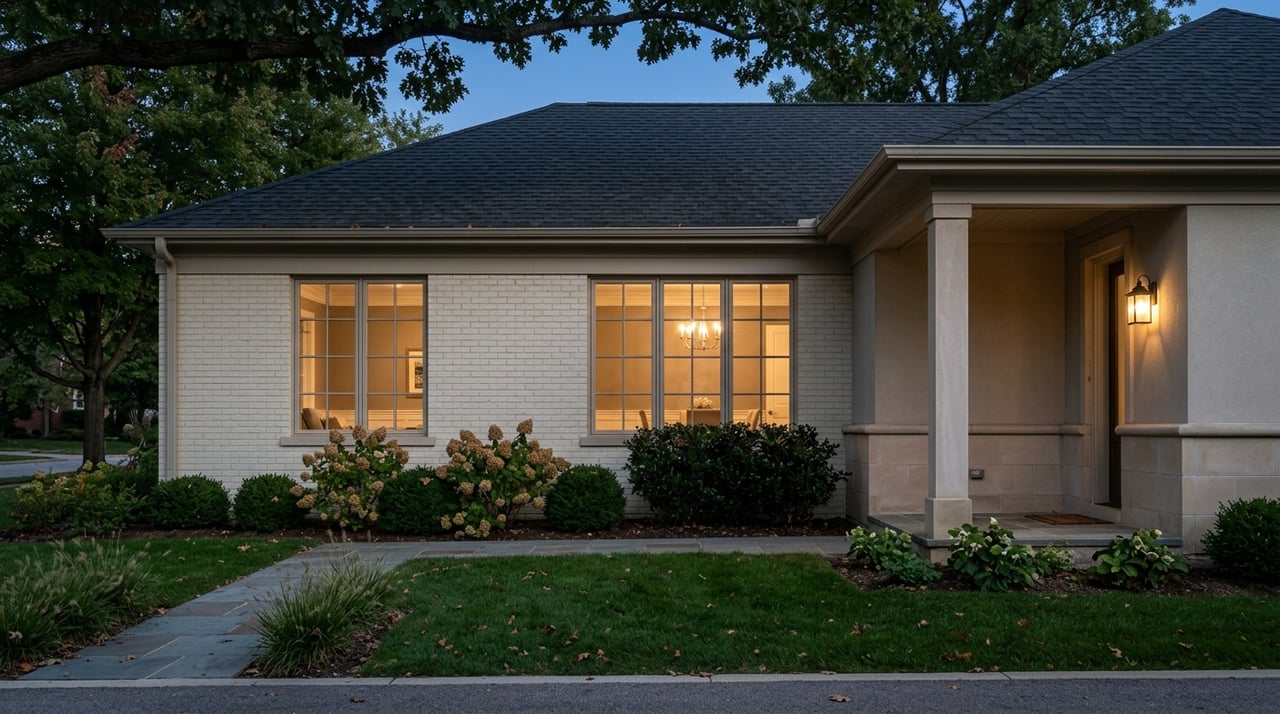
Think like a photographer. Mow the lawn, edge where needed, trim shrubs, sweep the porch, and make the entry look clean and welcoming. Put away hoses, bins, and anything else that creates visual clutter.
Your front door area deserves special attention because it often appears early in the photo lineup. A clean porch, tidy landscaping, and a well-kept entry can make the whole home feel more inviting.
Be realistic about bigger projects
Because many Ross Township homes were built before 1970, sellers sometimes wonder whether they should tackle larger updates before listing. The answer depends on the home, the timeline, and the likely return.
In general, it makes sense to be cautious about major work unless there is a clear reason for it. Cosmetic improvements often deliver a stronger payoff than starting a renovation that adds cost, delay, and permit questions.
If you are considering anything beyond light cosmetic work, check Ross Township permit requirements before you begin. The township enforces the Pennsylvania Uniform Construction Code, follows the 2021 International Building Codes, and requires permits and inspections for regulated work. Ross Township also notes that inspections require 48-hour notice, and plumbing permits and inspections go through the Allegheny County Health Department.
Keeping records matters too. If you complete repairs or improvements, save receipts, invoices, and permit documentation so you can answer buyer questions clearly.
Understand your disclosure responsibilities
Preparation is not only about appearance. It is also about getting organized for the legal side of the sale.
Pennsylvania’s Real Estate Seller Disclosure Law applies to most residential transfers. Sellers are required to disclose known material defects on a signed disclosure statement before the agreement of transfer is signed.
The state form covers many areas, including the roof, basement or crawl space, termites or other wood-destroying insects, structural issues, additions or remodeling, plumbing, heating and cooling, electrical systems, drainage, appliances, water and sewage, hazardous substances, homeowners associations, stormwater facilities, and legal or title issues.
If something changes before settlement, you must correct the disclosure if earlier information becomes inaccurate. Sellers also cannot make false or misleading statements or leave out known material defects.
For many Ross Township homes, lead-based paint may also be part of the conversation. Federal lead-paint disclosure rules generally apply to most housing built before 1978. That means sellers and agents must provide the lead pamphlet, disclose known lead-based paint hazards, share available records, and give buyers a 10-day opportunity to inspect or assess for lead unless that opportunity is waived.
Consider staging and presentation support
Staging does not always mean fully furnishing a vacant house. Sometimes it means editing what is already there so the home shows better.
NAR’s 2025 staging research found that 83% of buyers’ agents said staging made it easier for buyers to visualize a property. The same research found that 49% of sellers’ agents saw shorter time on market, and 29% reported a 1% to 10% increase in offered value.
That is why a focused presentation plan can matter so much. Even modest steps like lighter bedding, fewer accessories, better lamp placement, and a cleaner furniture layout can help your home feel more current and more move-in ready.
If upfront costs are a concern, there may be options to help. Eddie McDonough offers seller support through Compass Concierge, which can front selected home-improvement services with zero due until closing for eligible clients and projects. Examples may include staging, painting, flooring, decluttering, deep cleaning, landscaping, and certain cosmetic updates.
Prepare for buyers who compare carefully
Many of today’s buyers are experienced. NAR reports that 79% are repeat buyers, and 30% of repeat buyers paid cash. That does not mean every buyer expects perfection, but it does mean many know how to compare homes quickly.
They are often asking practical questions. Does the home feel cared for? Is the layout easy to live in? Are there visible maintenance issues? Does the asking price make sense for the condition and presentation?
When your home is clean, well-edited, and clearly prepared, buyers can spend more time connecting with the space and less time tallying future to-do lists. That shift can make a meaningful difference in both interest and negotiation strength.
A smart Ross Township pre-listing checklist
If you want a simple place to start, focus on this checklist:
- Declutter main living spaces, bedrooms, and closets
- Deep clean the entire home
- Replace burned-out bulbs and brighten dark areas
- Touch up scuffed paint and minor cosmetic wear
- Clear kitchen and bathroom counters
- Remove excess furniture to improve flow
- Neutralize highly personal decor
- Mow, trim, sweep, and tidy the front entry
- Gather repair records, receipts, and permit paperwork
- Review seller disclosure items carefully
- Confirm whether lead-paint disclosure may apply
- Stage the living room, primary bedroom, dining room, and kitchen first
The goal is confidence, not perfection
You do not need a flawless home to sell successfully in Ross Township. You need a home that feels cared for, well-presented, and honestly represented.
That is where a structured plan helps. When you know what to do first, what to skip, and how to prepare for buyer questions, the selling process usually feels less stressful and more manageable.
If you are getting ready to sell in Ross Township and want a clear, practical plan for pricing, prep, and presentation, connect with Eddie McDonough for calm guidance and a more organized next step.
FAQs
What should sellers in Ross Township do first before listing a home?
- Start with decluttering, then deep cleaning, and then focus on small cosmetic fixes and curb appeal improvements.
What rooms matter most when preparing a Ross Township home for buyers?
- The living room, primary bedroom, dining room, and kitchen are often the most important spaces to stage and simplify.
Do older Ross Township homes need extra preparation before sale?
- Often, yes. Because many homes in Ross Township were built before 1970, buyers may pay close attention to maintenance, updates, and disclosure details.
What disclosures are required when selling a home in Pennsylvania?
- Pennsylvania sellers must disclose known material defects on a signed seller disclosure statement before the agreement of transfer is signed in most residential sales.
When do lead-paint rules apply to Ross Township homes?
- Lead-paint disclosure rules generally apply to most homes built before 1978, which can be relevant for many older properties in Ross Township.
Do Ross Township home improvements require permits before listing?
- Some projects do. Ross Township requires permits and inspections for regulated work, so you should verify requirements before starting anything beyond light cosmetic updates.
Can sellers get help paying for pre-listing improvements?
- Eligible sellers may be able to use Compass Concierge for selected services such as staging, painting, flooring, decluttering, deep cleaning, landscaping, and certain cosmetic updates, with payment due at closing.