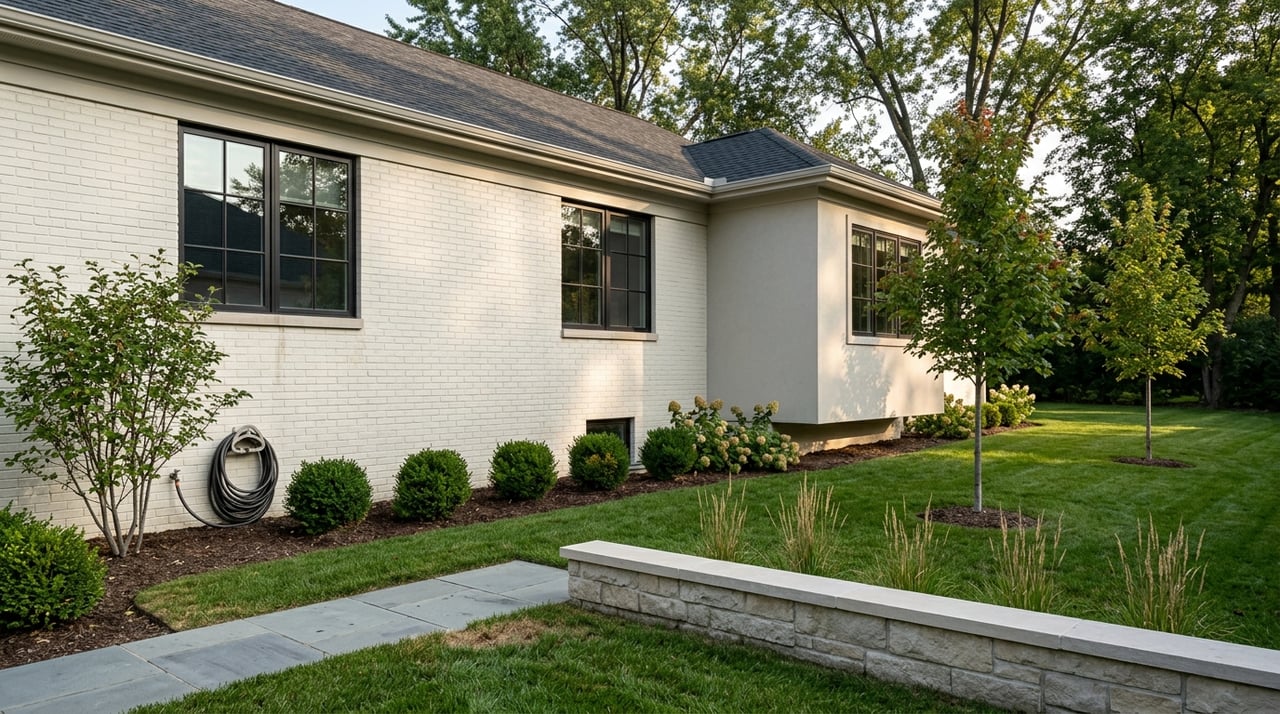
Wondering whether a newer home or vacant lot in Gibsonia will make your move easier? In many cases, it can reduce some of the repair uncertainty that comes with an older resale home. At the same time, newer construction and lot purchases usually come with more moving parts, from township rules to utility questions to warranty details. If you want a clear picture of what to check before you buy, you’re in the right place. Let’s dive in.
Why Gibsonia feels different
Gibsonia is not a typical walk-to-everything market, and that matters when you compare newer homes, lots, and resale options. Richland Township describes the area as a semi-rural North Hills community with wooded hills, a 100-acre park, and access to State Routes 8 and 910 and I-76. Pine-Richland also notes that the broader area is suburban to semi-rural, with major roads playing a big role in local growth.
That means many buyers look at Gibsonia through a practical lens first. You may be weighing commute patterns, lot size, privacy, driveway layout, and access to major routes more than sidewalk retail or dense urban convenience. For many households, that tradeoff is exactly the appeal.
The area also offers a strong recreation and community backdrop. Pine-Richland says it serves more than 4,500 students across six schools, several with Gibsonia addresses. Pine Township also highlights its community center, including a fitness center, gymnasiums, an indoor walking track, a kids' corner, and access to Pine Community Park trails.
Why newer homes attract buyers
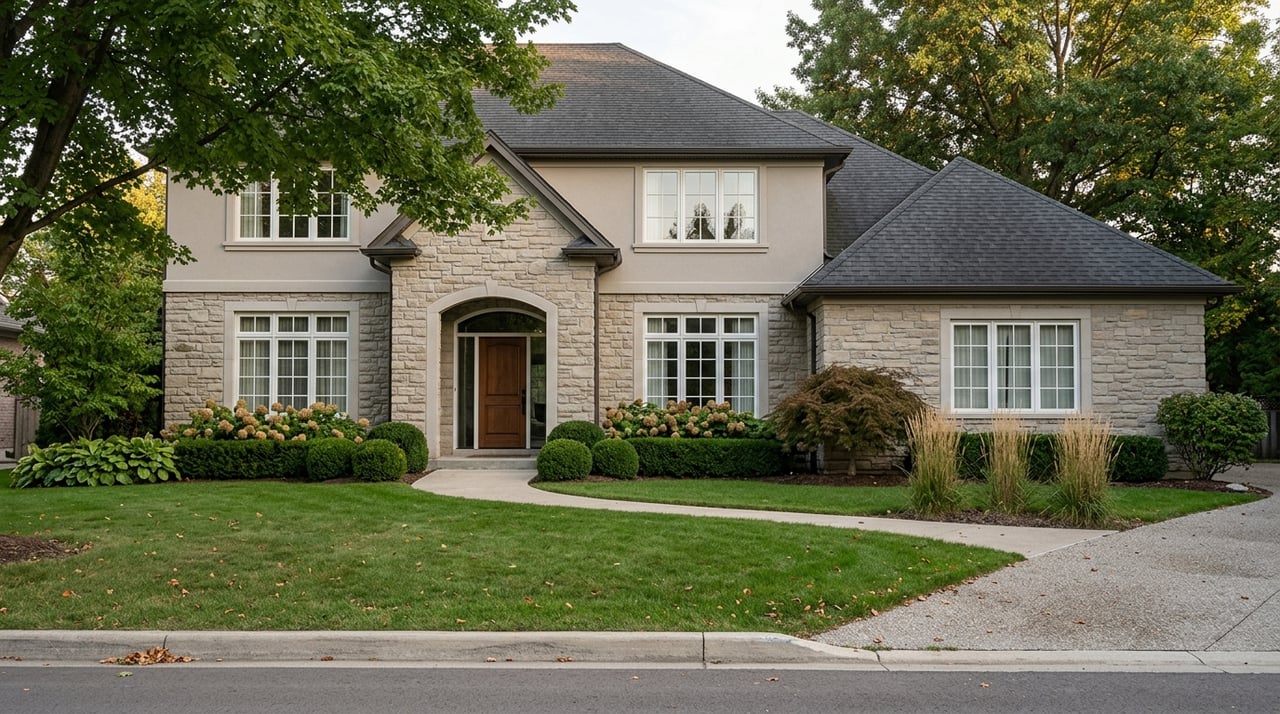
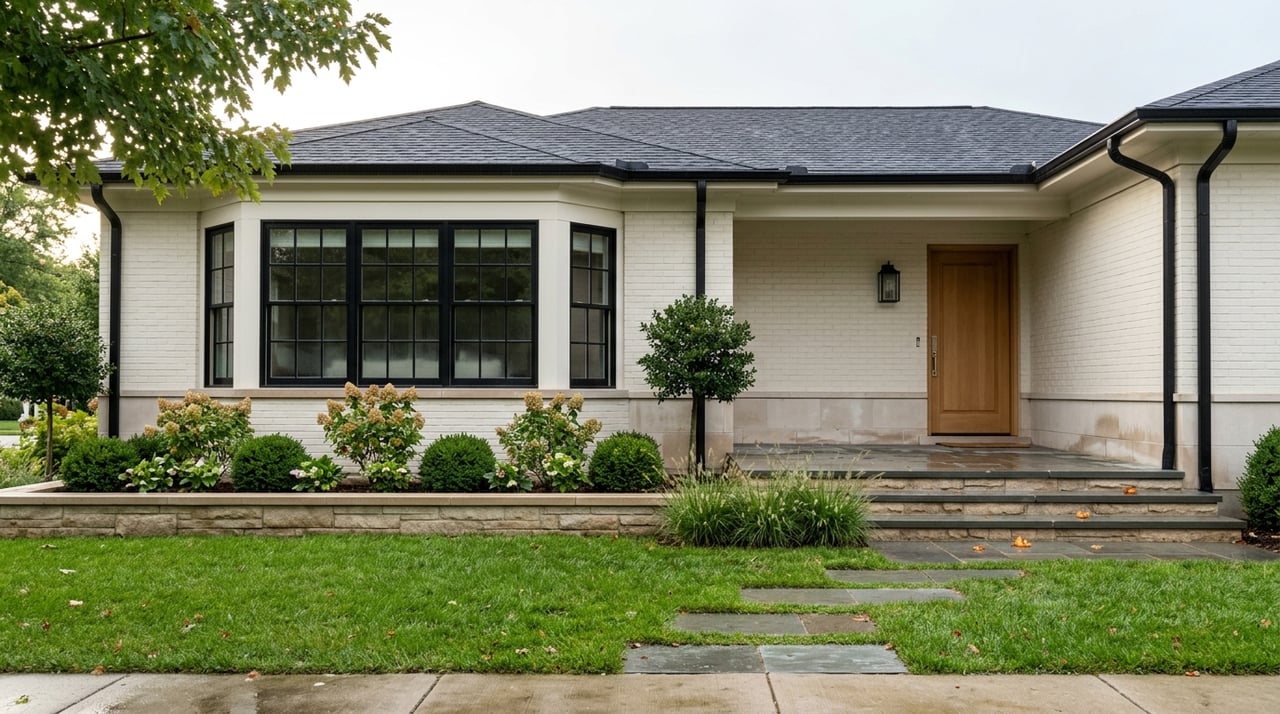
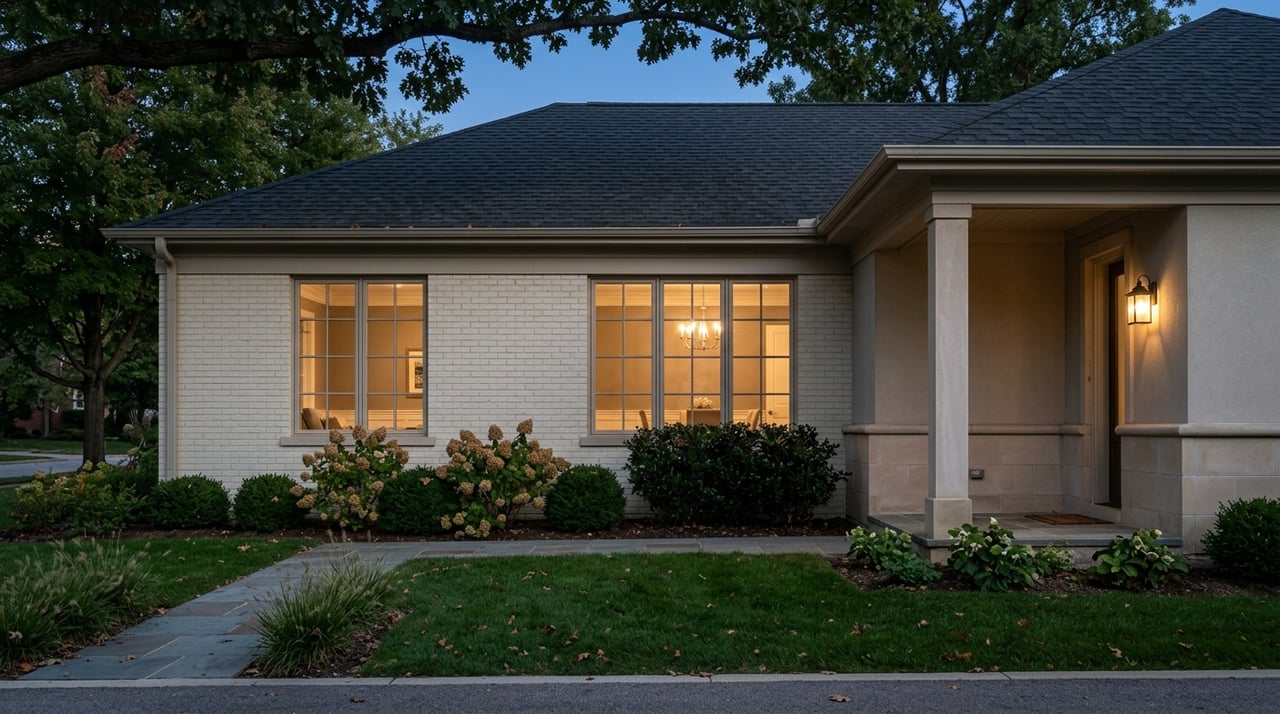
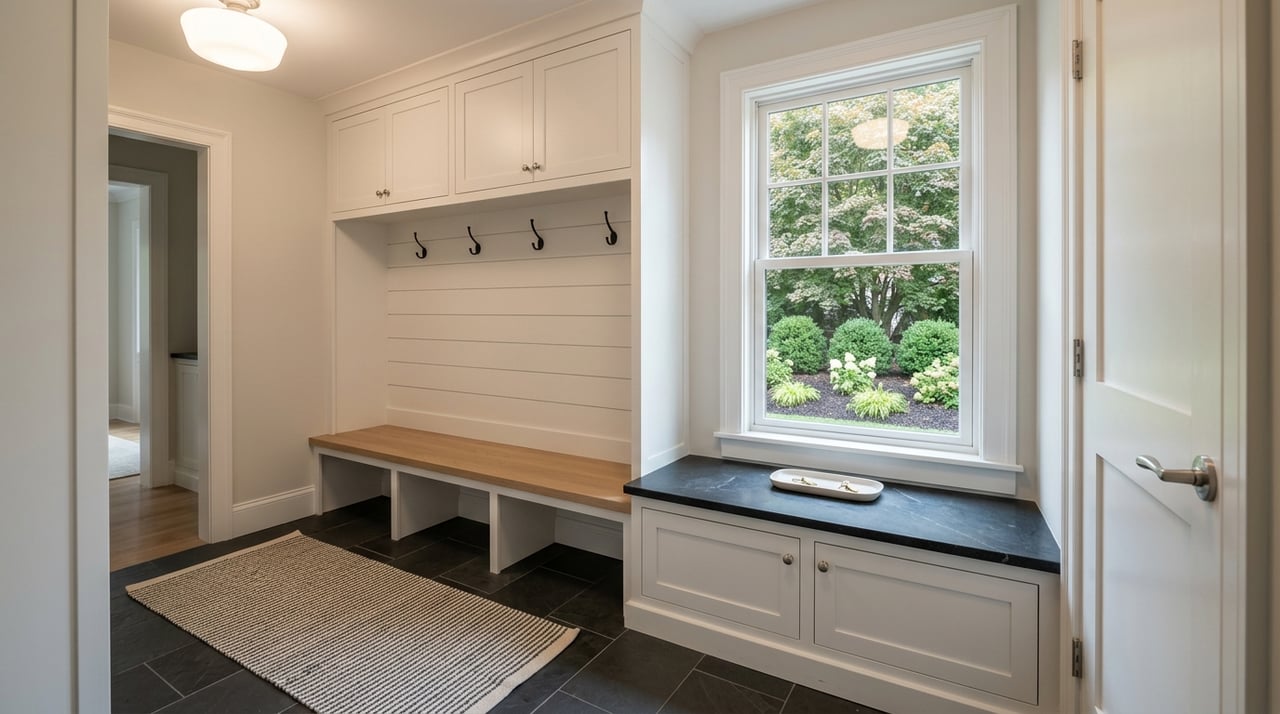
A newer home can feel simpler at first glance. You may have fewer immediate repair projects, newer systems, and a more current floor plan than you would in an older resale property. That can be especially appealing if you want a smoother move and fewer near-term surprises.
Still, newer does not always mean easier. When you buy a newly built home or purchase a lot to build on, you often take on extra due diligence. You need to confirm permits, zoning, utility service, warranty terms, and township-specific costs before you get too far down the road.
Start with the exact parcel
One of the most important steps is confirming the exact parcel details early. In Gibsonia, mailing addresses can create confusion because the same address area may overlap with different township jurisdictions. Pine Township specifically directs property owners and buyers to search records by Parcel ID in the Allegheny County real estate portal.
That detail matters more than many buyers realize. Buildability, township oversight, and approval status should be confirmed on the specific parcel, not assumed from the street name or ZIP code. If you are looking at land or a newer home tied to a lot purchase, this is one of the first items to verify.
Check whether it is in Richland or Pine Township
For newer homes and lots in Gibsonia, township assignment shapes the process. Richland Township and Pine Township each have their own permitting and planning systems. A property being located in one township instead of the other can affect permits, fees, reviews, and timelines.
Richland Township requires building permits for new homes and states that permit applications must be approved before construction begins. It also requires driveway permits for new driveways and may require stormwater best management practices for larger footprint increases. Pine Township also has a formal planning and permitting process, including an online portal, pre-application meetings for planning applications, and inspections handled through a third-party code services firm.
If you are comparing two lots that seem similar, township process alone may affect how straightforward the next steps feel. That does not make one choice better than another across the board. It simply means the details matter, and they should be reviewed before you sign.
Ask the sewer-versus-septic question early
Utility planning is a major checkpoint when you buy land or consider a newer home. In Richland Township, properties that do not have on-lot septic systems are served by the township sewer department. That makes sewer availability one of the first practical questions to ask.
If a lot is not connected to public sewer, you need to understand what that means for planning and approvals. Even if a property looks ready for your future home on paper, utility service can shape both cost and timing. This is one of those issues that is much easier to clarify early than later.
Review permits and approvals before signing
A lot that looks build-ready may still need important approvals. In Richland Township, new homes require building permits before construction starts. Depending on the project, zoning permits, driveway permits, and stormwater-related requirements may also apply.
In Pine Township, the current planning and permitting rules matter at the time you sign, not just when you first toured the property. That is an important distinction in a changing code environment. If you are buying with the intention to build, ask what approvals are already in place and what still needs to happen.
A simple checklist can help you stay organized:
- Confirm the Parcel ID
- Confirm whether the property is in Richland or Pine Township
- Ask what permits or approvals already exist
- Ask whether public sewer is available or if on-lot septic applies
- Ask whether driveway and stormwater approvals are needed
- Verify any current zoning or planning requirements tied to your intended use
Understand the purchase contract details
Newer homes and lot purchases often come with contract terms that deserve extra attention. Pennsylvania consumer guidance says you have the right to have an attorney review the agreement of sale before signing and to represent you at settlement. That can be especially helpful when the property involves land, construction timing, or builder-specific terms.
The same Pennsylvania guidance says the sales agreement must include the zoning classification of the property unless it is zoned solely or primarily for single-family dwellings. That is another reason lot purchases call for careful review. In a process with more moving parts, strong paperwork review can protect your decision-making.
Know what the builder warranty covers
Many buyers hear the word warranty and assume it covers everything. It usually does not. The FTC distinguishes a builder warranty from a home warranty, and that difference is worth understanding before you commit.
Builder warranties typically come with new construction and often cover workmanship and materials on many components for one year, HVAC, plumbing, and electrical systems for two years, and major structural defects for up to ten years in some plans. A home warranty, by contrast, is a separate service contract that costs extra. The FTC also notes that most new-home warranties do not cover temporary living expenses during repairs.
That means you should ask for the written warranty and read how claims are handled. You should also ask whether disputes go through mediation or arbitration, since many warranties require one of those paths. If you are using FHA or VA financing on a newly built home, the FTC says those loans require builders to buy third-party warranties.
Confirm transfer tax early
Closing costs can look different when a newer home involves both land and construction. Pennsylvania’s Department of Revenue says the state realty transfer tax is 1 percent. It also says the value of an executory construction contract can be subject to transfer tax when the contract becomes effective before or at the same time as the title transfer and the builder and seller are affiliated.
Local rates also vary by township. In Allegheny County, Richland Township has a 1/2 percent municipal transfer tax plus a 1/2 percent school district tax, while Pine Township has a 1 percent municipal transfer tax plus a 1/2 percent school district tax. That is one more reason to confirm township boundaries and the structure of the transaction early in the process.
Weigh the tradeoffs clearly
For many buyers, Gibsonia offers a compelling balance. You may find the newer-home appeal of updated systems and less immediate repair uncertainty, while also enjoying the space and semi-rural feel that draw people to this area in the first place. Community amenities, park access, and major-road connectivity also add to the decision.
The tradeoff is that newer homes and lots usually require more upfront verification. You are not just choosing a floor plan or a view from the backyard. You are also evaluating township process, utility setup, written warranties, and potential transfer-tax details.
That is why a structured approach matters. When you know which questions to ask and when to ask them, you can move forward with more confidence and fewer surprises.
If you are comparing newer homes, builder inventory, or vacant lots in Gibsonia, having a local guide can make the process feel much more manageable. Eddie McDonough brings a clear, organized approach to North Hills home searches and can help you sort through the details that matter before you make your move.
FAQs
What should you verify before buying a lot in Gibsonia?
- Confirm the Parcel ID, township location, sewer or septic setup, permit status, zoning requirements, and whether driveway or stormwater approvals are needed.
How do newer homes in Gibsonia differ from older resale homes?
- Newer homes may reduce near-term repair uncertainty, but they often involve extra steps such as warranty review, permit verification, and township-specific process checks.
Why does township location matter for Gibsonia homes and lots?
- Township location matters because Richland Township and Pine Township have different permitting, planning, inspection, and fee structures.
What utility question matters most for Gibsonia lots?
- One of the biggest early questions is whether the property has public sewer access or relies on on-lot septic.
What should you know about builder warranties on newer homes?
- Builder warranties usually cover certain items for limited time periods, may not cover temporary living expenses during repairs, and can require mediation or arbitration for disputes.
What transfer tax issue can affect a Gibsonia new construction purchase?
- In some cases, the value of an executory construction contract may also be subject to Pennsylvania realty transfer tax if the contract timing and builder-seller relationship meet the state’s criteria.